
Couples Therapy

Are you tired of arguing, being romantically disappointed or hurt?
If you are experiencing any of these things you may be feeling deep sadness, anger, resentment or loneliness.
If you are married or in a committed relationship, you know that the connection you share with your partner has the potential to be one of the most beautiful and fulfilling bonds; conversely, if not well attended to, it can also be a lonely and painful road to walk.
Using evidence-based Gottman techniques and emotionally-focused attachment methods, we help couples gain the tools to better understand each other, become self and other aware, and restore love and care between one another.
If you have children, tending to your relationship is the best way to care for your family. If mom and dad have a quality connection, this will flow to the kids, and home life will be secure, peaceful, and joyful.
Common Reasons to Seek Couples Therapy
Communication Issues
High Conflict
Unmet Emotional Needs
Infidelity or Betrayal
Lack of Intimacy
Life Transitions
Emotional Distance
Premarital
Gottman Method Couples Therapy
Gottman Method Couples Therapy started with decades of research from Dr. John Gottman’s relationship “love lab”, and is grounded in evidenced-based principles of what already works in successful relationships! Among the many pillars of the Gottman Method, this approach helps couples learn how to rebuild their friendship, manage conflict, and create a better outlook on their future together.
-
According to Gottman Method Couples Therapy, these seven core attributes are present in successful relationships:
• Enhancing and sharing love maps. A love map is a cognitive “map” of stored information partners have about their significant other. This can include partners’ goals, dreams, worries, fears, past life events, and more!
• Nurturing fondness and admiration. Fondness is another term for affection for one another, which should be shared often in a relationship. Admiration is another term for appreciation, which is an expression of gratitude toward one another, and should also be exchanged on a routine basis in the relationship.
• Turning toward each other instead of away. Without realizing it, often times partners “bid” for each other’s connection. How the opposite partner responds will be to either “turn toward” or to “turn away” in that request for connection.
• Accepting influence. This means being open to the thoughts, opinions, and suggestions of a partner when trying to problem-solve or make decisions together in the relationship.
• Solving the solvable problems. In conflict resolution, being able to dialogue about issues is fundamental to healthy conflict resolution. This includes learning effective communication strategies to be a more flexible and understanding partner.
• Overcoming gridlock. Certain problems in relationships are not solvable, such as personality differences, which often lead to conflict. Learning how to navigate individual differences in the relationship leads to a more productive union.
• Creating shared meaning. Shared meaning comes from truly experiencing life together as a partnership. This is recognized in shared rituals, understanding each other’s roles, shared life goals, and having several “symbols” or values in the relationship.
Emotionally Focused Couples Therapy
Emotionally Focused Therapy (EFT) was developed by Dr. Sue Johnson, in collaboration with Dr. Leslie “Les” Greenberg. This therapeutic approach is grounded in attachment-based perspectives and is centered on developing skills for better emotional functioning. When applied to couples, this method is referred to as Emotionally Focused Couples Therapy (EFCT).
In Emotionally Focused Couples Therapy, couples gain a better understanding of their emotions and attachment needs while learning how to express them. This therapy also uses the concept of managing conflict or “relationship distress” by learning effective communication skills. In any long-term relationship, learning how to use open and respectful communication is central to success!
-
According to Emotionally Focused Therapy, these four pillars of attachment needs are at the core of a healthy and secure relationship:
A) Acceptance: This involves being embraced for the authentic self and who partners are as unique individuals. When acceptance is lacking in a relationship, it often leads to feelings of rejection.
B) Belonging: Belonging occurs when being a part of a relationship system that is greater than both partners individually. It also includes having a sense of solidarity and “we- ness”. In the absence of belonging, individuals often feel isolation and disconnection.
C) Comfort: It is the assurance that the partner will be there for them when needed. Without comfort, feelings of abandonment can arise.
S) Safety: This is achieved when feeling physically, emotionally, and psychologically secure in the relationship. It includes the ability to express oneself without fear or worry. A lack of safety entails no emotional trust between partners.
-
Couples or relationship therapy services focus on addressing present relationship challenges and preventing potential future issues. Therapeutic support can be beneficial at any stage of a relationship, from the initial beginning phase aimed at fostering positive communication skills to those in long-term relationships, even after 30 years, seeking a fresh start!
-
There are several types of therapy professionals that can conduct therapy for relationships or couples. In the state of California this includes a Licensed Professional Clinical Counselor (LPCC), a Licensed Clinical Social Worker (LCSW), a Licensed Marriage and Family Therapist (LMFT), or a Licensed Psychologist (LP). The licensure looks slightly different from state to state, but these are the main licensed clinicians ready to serve couples without working under the supervision of another professional. Some clinicians choose to get additional elective certifications in various types of couples therapy, including Gottman Method Couples Therapy.
-
There is no one-size-fits-all timeline for starting therapy! The duration depends on a multitude of factors including what your presenting concerns are, your goals for your relationship, and how often you attend therapy. Treatment can range from 10-12 sessions all the way to a few years. Most clients are seen once a week for sessions, until they are ready to gradually taper off visits.
-
Using evidenced-based practices, couples therapy has a success rate of approximately 70-75%. However, numerous factors can influence the outcomes of therapy. In order to be successful, all parties must be motivated for change and actively participating in the treatment process.
Q&A
Here For You
At Driftwood Therapy Collective, we work with individuals from diverse cultural and religious backgrounds, and we are LGBTQIA affirming. We take the time to get to know you, your values, your experiences, and your goals.
Recommended Therapists

Sara Miller, LPCC

Faith Vargas, AMFT

Sydnie Szol, APCC

Jenn Witmondt, APCC
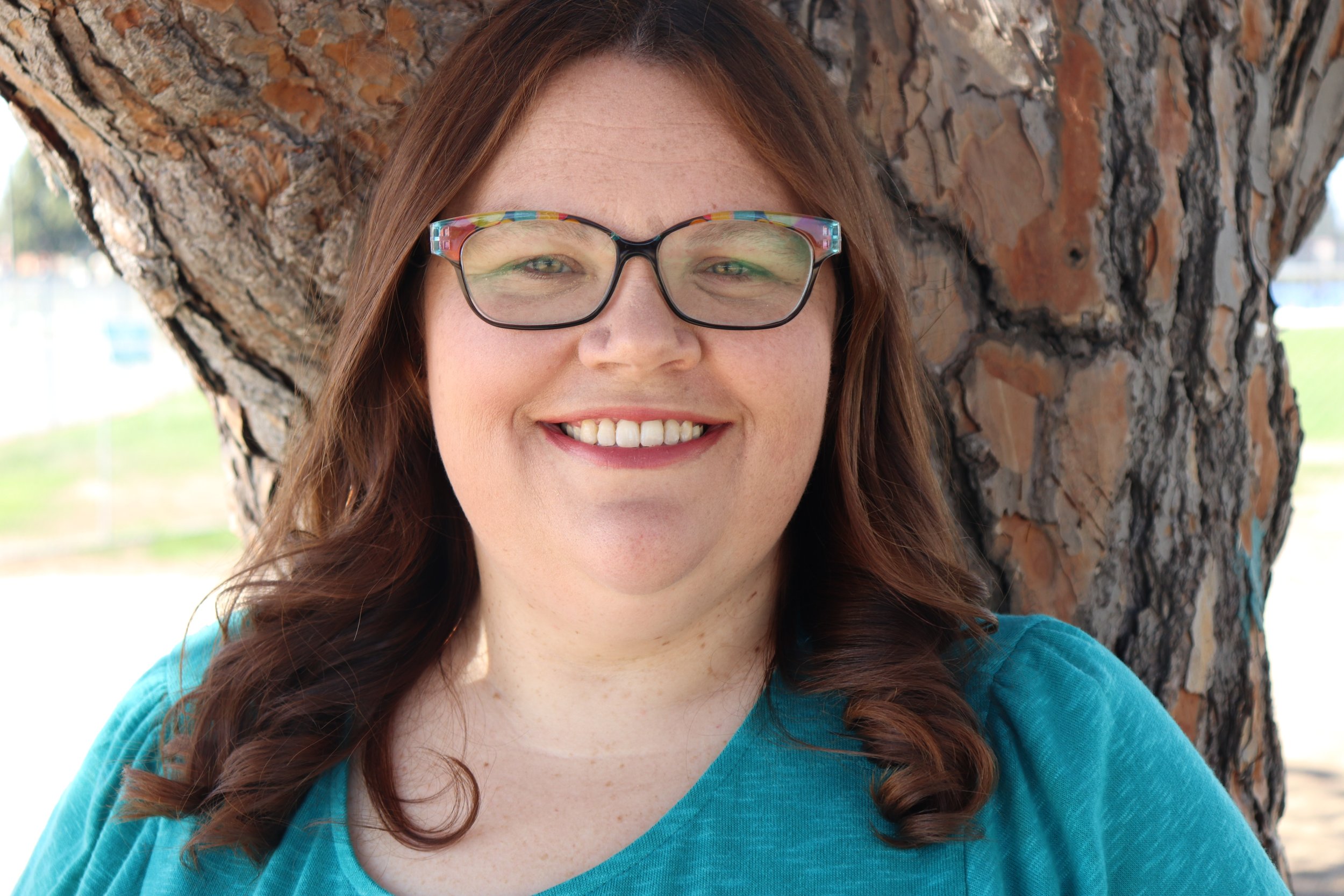
Tina Sparks, AMFT